
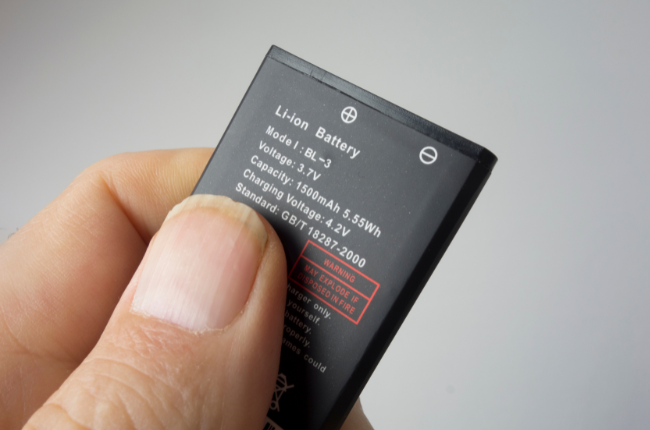
Lithium batteries are everywhere – from phones and power tools to e-bikes and children’s toys. But when disposed of incorrectly, they create significant risks for councils.
That’s why effective lithium battery waste management is no longer optional. It’s a critical part of protecting people, infrastructure and the environment.
Lithium battery risks for community waste facilities
Lithium batteries contain hazardous substances such as lithium, cobalt and nickel. When damaged or crushed, they can ignite, explode or leak toxic substances.
For councils, the key risks include:
- Fire and explosion hazards in collection vehicles, transfer stations and waste facilities
- Damage to infrastructure, including trucks, compactors and facilities
- Environmental harm if batteries contaminate soil and waterways in landfill
- Injury to workers during collection, compaction or sorting
These risks are only growing as battery use increases across the community.
Why councils should take the lead
According to a study funded by key waste and recycling bodies, it is estimated that there are between 10,000 and 12,000 battery-related fires in waste trucks and facilities per year across Australia. This study also indicated that businesses affected have experienced increased costs (on average) of more than $400,000 as a result of these fires.
This provides more evidence that councils sit at the centre of lithium battery risk management. From collection through to disposal, you’re uniquely placed to influence how batteries are handled – and reduce the risks they pose across the entire waste stream.
Taking the lead means putting practical controls in place. Supporting safer disposal. And helping your community understand the right thing to do.
In practice, your role includes:
- Protecting the environment: Preventing batteries from entering landfill reduces pollution and long-term environmental damage.
- Keeping people safe: Strong controls reduce the risk of fires in trucks and facilities, protecting staff and contractors.
- Recovering valuable resources: Facilitating recycling programs enables the recovery of valuable metals, reducing the need for virgin mining.
- Meeting regulatory obligations: Creating clear processes to ensure your council complies with NSW EPA guidelines and national e-waste management schemes.
- Engaging the community: Providing accessible battery collection points and clear messaging to help residents understand how and where to safely dispose of batteries.
Managing fire risk & disposal
Garbage compactors
Garbage trucks and compactors are high-risk environments for lithium batteries. Crushing or puncturing a battery can trigger thermal runaway and fire within seconds.
To reduce this risk, you should consider:
- Equipping trucks and compactors with fire suppression systems or portable extinguishers suitable for lithium battery fires (Class D or appropriate multi-purpose units)
- Maintaining vehicles regularly to ensure all safety systems are operational
- Designating safe parking and unloading areas away from flammable materials
Safe disposal of lithium batteries
To ensure safer lithium battery disposal, you should:
- Train staff and contractors: Ensure waste collection staff and compactor operators can recognise lithium battery risks. Training should cover safe handling, reporting procedures and emergency response.
- Monitor waste loads: Where practical, visually check loads for loose or damaged batteries before compaction.
- Educate the community: Run awareness campaigns to remind residents and businesses of the importance of proper battery disposal.
- Provide clear collection options: Establish and promote designated drop-off locations for battery recycling. Insulate battery terminals with non-conductive tape to prevent short circuits before transport.
- Plan for emergencies: Have clear response plans in place for lithium battery fires or chemical spills. Liaise with local emergency services so roles and expectations are clear.
- Partner with certified recyclers: Work with licensed e-waste recyclers that meet environmental and safety standards.
Guidance and support for councils
Managing lithium battery risks can feel complex – but you don’t have to do it alone.
A range of practical guidance is available to support councils & communities, including:
- NSW Government – “Stop, Charge & Recycle” campaign
- FRNSW – Battery and Charging Safety
- NSW EPA – “Never Bin a Battery” – guidance for the community
At Statewide Mutual, we also offer a Waste Management Facility Audit program. This audit helps identify risks associated with your existing waste management practices, assess existing controls and strengthen safety practices across your facilities, including with lithium batteries.
We’re here to help you manage emerging risks with confidence. Speak with your Regional Risk Manager today to find out more.